Dashboards That Put Operators First

Discover how operator-centric KPI dashboards for the shop floor turn complex data into clear decisions, boost ownership at the station level, and illuminate the next best action in real time. We connect metrics to human workflows, safety, and quality so performance improves sustainably, shift after shift. Share your toughest line decision with us and join the conversation about designs that make the next shift smoother.

Selecting What Truly Matters on the Line

Start with the moments that repeatedly stall flow, frustrate people, or risk safety, then define a small set of measures each operator can influence directly. Limit vanity metrics, clarify definitions, and align calculations so everyone reads the same story from every screen.

Balancing Leading and Lagging Indicators

Combine indicators that predict trouble with those confirming outcomes, so actions happen before losses escalate. Pair changeover readiness and material availability with OEE and first-pass yield, letting operators adjust proactively while leaders verify results, reinforcing trust and shared accountability across shifts and lines.

Context, Constraints, and Fair Targets

Targets must respect takt time, tooling constraints, skill mix, and supplier variability, or dashboards will feel unfair. Build ranges, not absolutes, and annotate exceptions visibly. When people see their reality reflected, they contribute insights willingly, turning dashboards into collaborative problem-solving companions.

Visual Hierarchy that Guides Fast Decisions

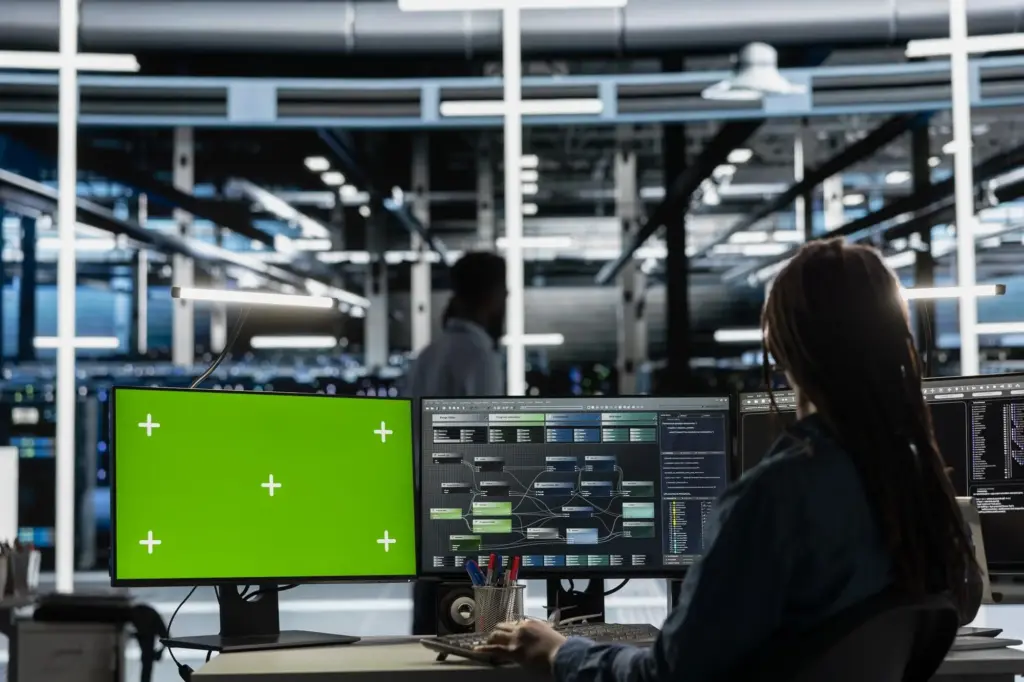
Place the most actionable signal at the top left or center, reserve detail for drill-downs, and cluster related controls. Use shape, whitespace, and repetition to teach scanning patterns. In stressful moments, these subconscious anchors shorten the path from noticing to doing.

Color, Contrast, and Accessibility on the Floor

Choose palettes that remain legible in harsh lighting, through face shields, and on aging displays. Tie color only to meaning, add text labels, and support color-vision differences. Large tap targets and haptic confirmation prevent input errors when hands are tired or gloved.

Consistency Without Monotony

Reusing patterns speeds training, but monotony hides what changed. Keep a shared grid, typography, and gestures, while allowing modules to highlight station-specific alerts, SMED steps, or torque sequences. Familiar bones with flexible muscles create confidence without sacrificing the nuance operators depend on.

Real-Time Data That Never Lies

A dashboard is only as trustworthy as its data path. Build robust pipelines from sensors to context engines, manage latency near the edge, and reconcile states across systems. Operators must see one version of truth, even when networks hiccup or machines reboot unexpectedly.

Workflows That Change Behavior

Dashboards matter only when they move hands, eyes, and habits. Embed cues into daily rhythms: standups, start-of-shift checks, and andon responses. Guide the next best action, capture learning in place, and celebrate small wins that accumulate into measurable productivity, safety, and quality gains.

Stories from the Floor

Real improvements begin with real people. These concise stories show how clear metrics, respectful design, and rapid feedback loops unlocked capacity without blame. Notice the common thread: when frontline insight shapes measurement, equipment behaves better, morale rises, and results sustain long after the novelty fades.

Measuring What Changes After You Measure

Success is not a prettier chart; it is fewer stoppages, safer motion, smoother flow, and prouder teams. Define baselines, run controlled trials, and publish plain-language updates near the line. When results are shared transparently, commitment deepens and continuous improvement becomes an everyday habit.
Nexoloridavozerapento
Privacy Overview

This website uses cookies so that we can provide you with the best user experience possible. Cookie information is stored in your browser and performs functions such as recognising you when you return to our website and helping our team to understand which sections of the website you find most interesting and useful.