Sharper Minds on the Line

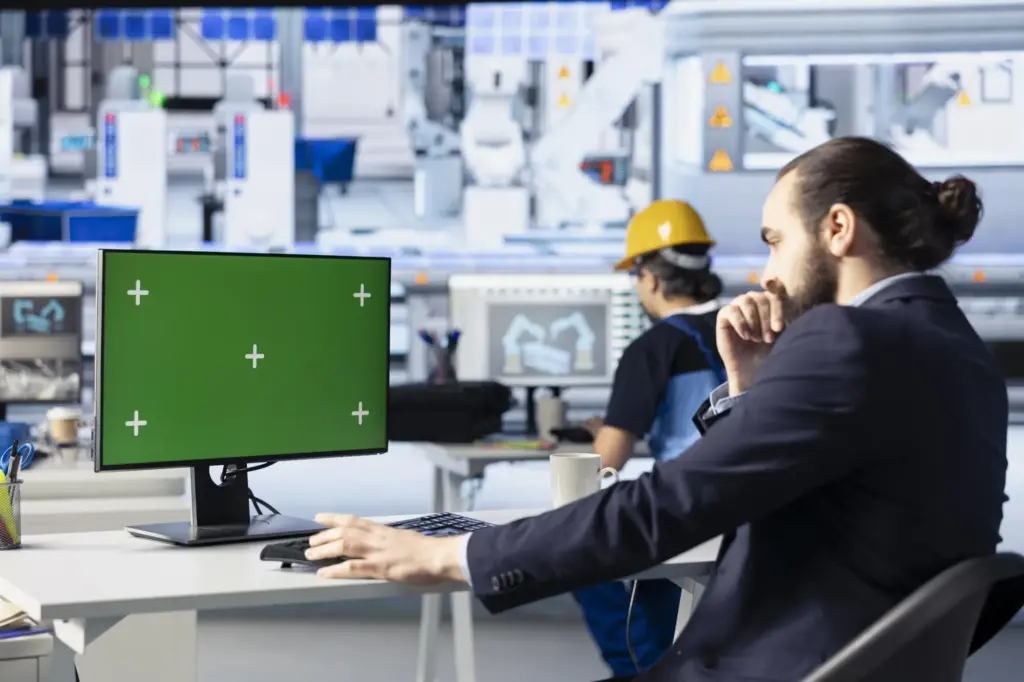
Today we focus on measuring cognitive load and fatigue in manufacturing workflows, turning complex human factors into actionable insights without disrupting takt time. We will connect surveys, sensors, and shop-floor observations, then translate signals into safer stations, clearer interfaces, fairer schedules, and steadier quality. Expect practical steps, validated methods, small pilot stories, and a respectful, worker-centered approach that values privacy and dignity while boosting performance across busy cells and high-mix environments.

Why Brains, Not Machines, Become the Hidden Bottleneck

Behind every reliable machine stands a person juggling instructions, alarms, quality checks, and time pressure. Cognitive load rises when information density, interruptions, or ambiguous cues exceed what attention and working memory can comfortably handle. Fatigue compounds the strain, slowing reaction times and clouding judgment. Understanding how and when this pressure spikes helps prevent errors, near misses, and burnout, while revealing humane ways to improve flow without simply asking operators to push harder or move faster.

Spotting Subtle Signals of Overload

Watch for small but persistent patterns: slightly longer confirmations, more frequent clarifying questions, rising rework for detail-heavy steps, or micro-stoppages during changeovers. Operators might hesitate before scanning barcodes, misplace kitted parts, or double-handle bins under confusing labels. These clues rarely appear in isolation; their convergence suggests attention is stretched thin, instructions need simplification, or the interface is demanding too many memory hops between cues and actions during critical moments.

Human Memory Meets Chaotic Lines

Working memory handles only a few items at once. When instructions use dense text, codes, or tiny fonts, operators must translate and recall under pressure, amplifying errors. Simultaneous alarms or overlapping Andon calls shatter focus, creating costly context switches. Even helpful visuals can backfire if inconsistent across stations. Designing cues that chunk steps, prioritize salient warnings, and align with natural perception reduces cognitive juggling, helping people stay oriented while machines keep moving relentlessly forward.

A Short Floor Story That Changed Minds

At a cell assembling valve bodies, Lila kept pausing during torque verification and misreading part codes after lunch. A quick gemba walk revealed kitting trays with similar colors and labels that mirrored each other. After reorganizing trays by contrast, adding larger type, and moving torque targets onto the tool display, her confirmations stabilized and rework dipped by week’s end. Nothing about the product changed, yet clarity trimmed load, steadied pace, and lifted everyone’s confidence noticeably.

The Measurement Toolkit: Surveys, Sensors, and Sharp Eyes

No single metric captures mental strain, so combine subjective and objective signals thoughtfully. NASA-TLX contextualizes perceived demand and effort. Heart rate variability reflects autonomic stress; eye tracking and blink metrics surface attention shifts; PERCLOS catches drowsiness; EEG or fNIRS can validate lab findings. Observational notes bridge the why behind numbers. Ethical deployment, calibration to individuals and tasks, and pilot trials ensure readings illuminate work, rather than merely adding dashboards to an already crowded day.

Running a Solid Study Without Stalling Production
A Practical Protocol Blueprint
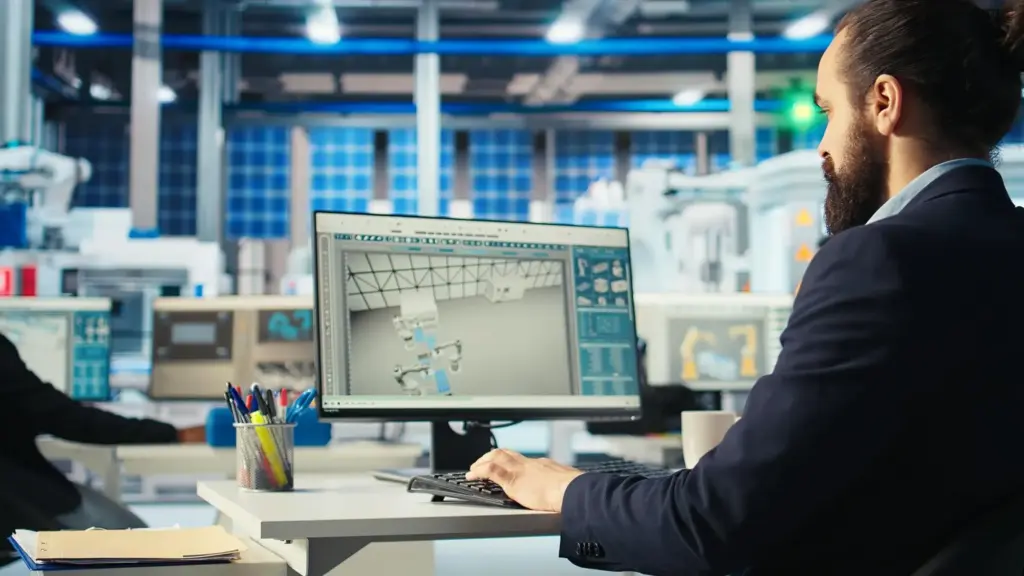
Map stations, tasks, and risks; select two to three candidate measures per burden type; choose non-intrusive devices and short surveys; and align sampling with natural breaks. Pre-brief participants and supervisors, clarify data handling, and dry-run on a single shift. Capture context like ambient noise and lighting. Tag events from MES and maintenance logs. The blueprint’s strength lies in small, dependable steps that respect operators first and let continuous improvement build from trustworthy, repeatable evidence.

Sampling and Statistical Power on the Floor
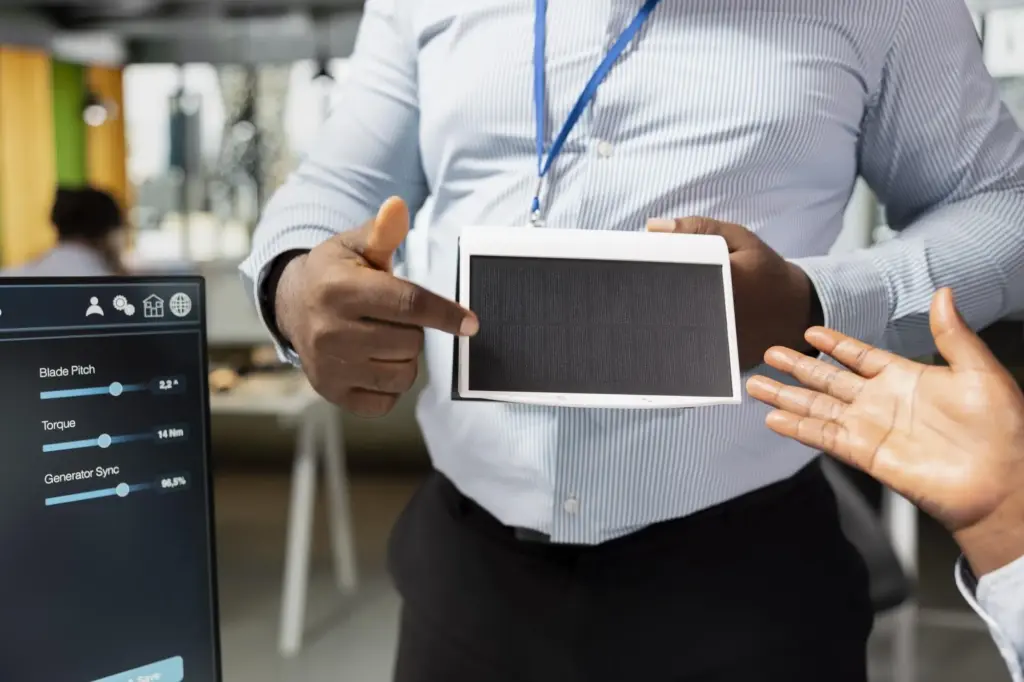
Manufacturing variability can swamp subtle effects, so plan enough cycles across days and product families. Use within-subject comparisons when feasible to tame noise. Track covariates like changeover density, absenteeism, and crew mix. Predefine thresholds for meaningful differences, not just p-values. Visualize distributions, not only means, to consider tails where incidents often arise. A thoughtful analysis avoids overfitting flashy metrics, keeping attention on stable, interpretable improvements that supervisors and operators can confidently sustain after the study ends.

Pilot, Debrief, and Iterate Quickly

Start with a one-week pilot measuring eye fixations and short surveys at two stations. Debrief daily with operators: what annoyed, what helped, what felt intrusive. Simplify tools based on feedback, trim redundant questions, and lock stable procedures. Use week two to confirm repeatability under a different product mix. Publish a one-page summary for the floor, showing changes you will make immediately. Iteration earns trust faster than perfect plans that sit untouched in binders.

From Raw Signals to Clear Decisions

Data only helps when it clarifies action. Translate heart rate variability, gaze dwell times, blink rates, and task timing into simple indicators tied to stations and steps. Build control limits and confidence bands so leaders see shifts, not noise. Map improvements to cost of poor quality, injury risk, and training hours. Use transparent models, show examples, and explain limitations plainly. When insights guide prioritization and experiment design, teams move together, avoiding dashboard fatigue and reactive firefighting.

Feature Engineering That Respects Reality

Normalize metrics per operator and station, smooth with short windows, and tag events like changeovers or Andon pulls. Derive features such as fixation duration variance, pick confirmation latency, and PERCLOS during last-hour cycles. Combine with SPC charts to track stable gains. Favor interpretable thresholds and simple visuals. Share definitions with the floor so everyone knows what the numbers mean. When features mirror real work, people trust them, and improvement becomes collaborative instead of cryptic.

Dashboards That Guide Rather Than Judge

Design views around stations and tasks, not individuals. Highlight risky steps, confusing screens, or tiring postures, then suggest concrete fixes and expected impact ranges. Provide weekly trends and short narratives explaining changes. Disable individual ranking; emphasize learning and design improvement. Allow operators to annotate spikes with context. Keep pages fast, legible, and mobile-friendly for gemba use. When dashboards feel like tools for making work easier, participation rises and data quality improves together with morale.

A Quick ROI Story with Human Benefits

After combining NASA-TLX with eye tracking on a labeling step, a plant found operators often hunted for lot codes obscured by glare. They raised contrast, added a light baffle, and simplified the HMI labels. Defects fell eighteen percent, and training time for new hires dropped notably. Operators reported less end-of-shift fatigue and fewer headaches. The capital spend was minor, yet the savings and well-being gains were immediate, proving humane design can pay for itself convincingly.

Designing Work That Lightens the Mental Load
Reducing unnecessary complexity beats asking people to concentrate harder. Clearer visuals, consistent iconography, chunked instructions, and poka-yoke bring calm to busy cells. Automate only the decisions that are truly repetitive, and elevate crucial cues using contrast, motion, or sound judiciously. Schedule microbreaks and rotate high-demand tasks thoughtfully. Calibrate lighting and temperature to support alertness. When stations speak plainly and routines feel humane, attention stays where it matters most, and quality naturally follows without heroic effort.

Low-Cost Wins You Can Try This Week

Increase font sizes on job aids, declutter benches, and align bins with the sequence of tasks. Replace similar labels with color-contrast pairs and plain language. Move critical targets onto the tool display. Add short stretch breaks before inspection-heavy cycles. Pilot a two-minute mindfulness reset at shift midpoint. Track rework and survey ease-of-use after changes. Small, respectful adjustments compound fast, lowering cognitive juggling while signaling that management values clarity and comfort just as much as speed.

Bigger Changes for Enduring Clarity

Tackle HMI redesigns with operators at the table, consolidate alarm logic with priority tiers, and move toward pick-to-light where parts variety overwhelms memory. Rebalance tasks during changeovers to avoid peak cognitive demand stacking. Invest in better luminaires that minimize glare on glossy labels. Introduce guided assembly with step verification at natural pauses. These shifts require capital and coordination, yet they reduce stress, stabilize output, and raise confidence, paying back through fewer errors and safer, steadier shifts.

Sustainability, Ethics, and Real Engagement
Great methods honor people. Establish consent, data minimization, and clear retention windows. Aggregate and anonymize wherever possible. Define purpose limits so measurements never become performance surveillance. Offer opt-outs without penalty. Provide training for leaders to interpret signals responsibly. Share wins and concerns in open forums. Build communities of practice that learn together across shifts. When respect anchors the process, participation grows, technology stays welcome, and continuous improvement becomes both measurable and meaningfully human over the long run.
Nexoloridavozerapento
Privacy Overview

This website uses cookies so that we can provide you with the best user experience possible. Cookie information is stored in your browser and performs functions such as recognising you when you return to our website and helping our team to understand which sections of the website you find most interesting and useful.